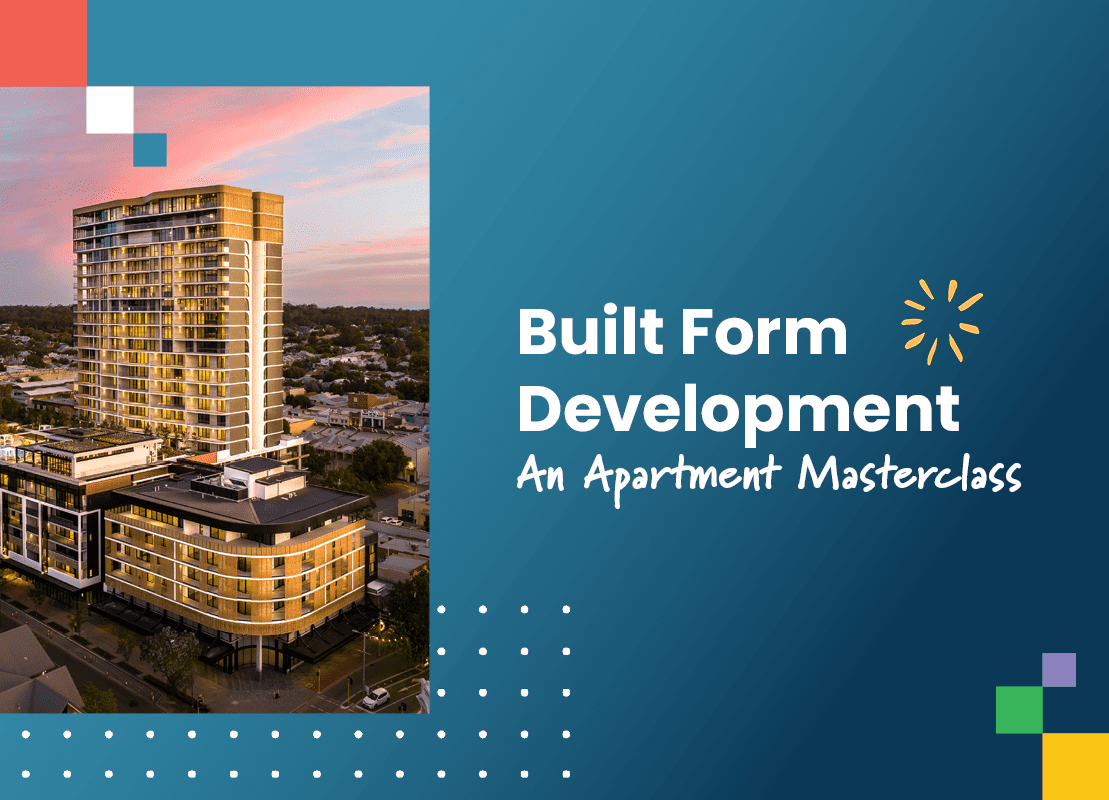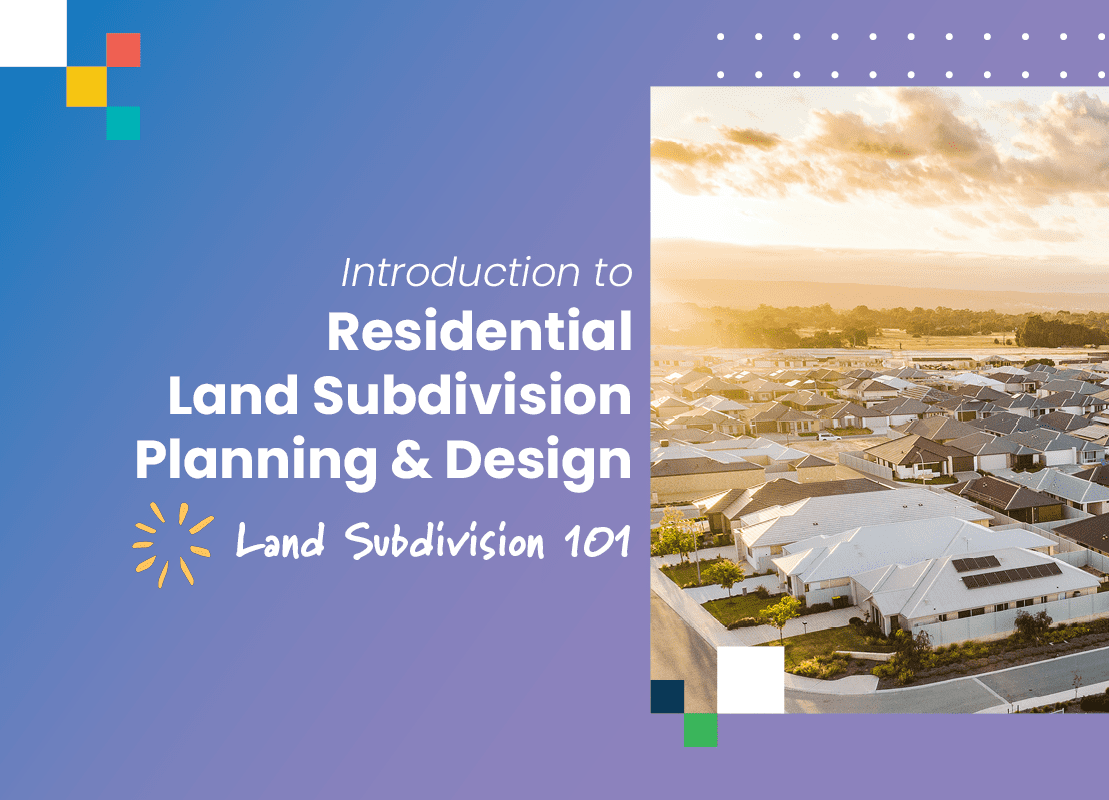
Course Summary
Introduction to Residential Land Subdivision Planning & Design is an in-person course offering a comprehensive introduction to the end-to-end residential land subdivision process in Western Australia. This practical, activity based course covers the key principles and processes equipping the participants with essential knowledge to effectively navigate subdivision through planning, design, and approvals.
This course blends the technical know-how with real-world case examples and interactive activities to maximise the learnings. So, whether you’re thinking about subdividing, working with those who do it or you’re in the field and want to refresh your knowledge, this course will provide you with a solid foundation for successful residential land subdivision.
Who Should Attend?
- Local or State government staff interacting with the industry wanting a better understanding of the subdivision process from a development perspective
- Development Managers and Project Managers (from Assistant to Senior)
- Consultants and real estate agents wanting to understand the process as a potential sales tool
- Those new to the WA development industry seeking to build their local knowledge
Course Outline
Foundations of Land Subdivision in Western Australia
Introduction to Land Subdivision:
- What is land subdivision, and why is it important for property development?
- Types and scale of subdivisions (e.g., greenfield, infill, strata, and freehold subdivisions).
Regulatory Framework:
- Overview of Western Australia’s land development, planning and approvals framework.
- Key agencies and their roles (e.g., WA Planning Commission, local councils, utilities).
Essential Terminology:
- Explain terms such as R-Codes (Residential Design Codes), zoning, and development approval.
Planning and Design of a Residential Subdivision
Site Analysis and Basic Due Diligence Process:
- How to undertake a due diligence process and evaluate a site for subdivision potential.
- Considerations: zoning, size, access, utilities, environmental factors
Design Principles:
- Practical tips for lot layout, road placement, engineering design and open space requirements.
- Balancing profitability with liveability, compliance and market responsiveness.
- Implications of residential density code / development requirements on subdivision design.
Subdivision Planning Process:
- Steps involved in preparing a concept plan, consultant team inputs and submitting applications.
- Infrastructure upgrades (e.g., roads, drainage, utilities).
- Technical considerations: Infrastructure; Traffic; Environmental; Heritage; Acoustic; Bushfire.
Approval, Implementation, and Beyond
Post-lodgement Subdivision Approval Process
- Application to the WA Planning Commission.
- Navigating conditional approvals and managing approval risk.
- Post-lodgement follow-up and monitoring with referral agencies to the point of determination, including review and negotiation of draft conditions.
Subdivision Construction Overview:
- Civil construction & engineering process for basic subdivision.
- Dealing with local government, utilities & services and satisfaction of subdivision conditions.
- Managing construction risk.
Final Steps & Common Challenges:
- Clearing of subdivision conditions and obtaining titles.
- Minimising delays and holding costs.
CPD Points
UDIA WA is an approved CPD training provider. Following the launch of the new CPD points program by the Department of Local Government, Industry Regulation and Safety, the CPD points for this course is currently under review and will be published as soon as confirmed.
Pricing
To obtain member rates please use your company email when registering. All prices are inclusive of GST.
Member: $840 pp
Non-Member: $1100 pp

Katherine Shirley
Taylor Burrell Barnett | Senior Associate

Alan Burman
TABEC | Principal Civil Project Engineer

Matt Jilley
Manager – Land and Property Development I MNG