ONLY SIX PERCENT OF PEOPLE CATEGORISED AS HOMELESS FIT THE MORE TRADITIONAL NOTION OF “SLEEPING ROUGH”.
The issue of housing affordability and availability was in the spotlight during Homeless Persons Week which runs through to Sunday 11th August. In the 2011 Census, homelessness rose eight percent on 2006 data. With around 9,500 people classified as homeless in Western Australia one of the challenges in communicating the size of the issue is that only six percent of the people categorised as homeless fit the more traditional notion of “sleeping rough”.
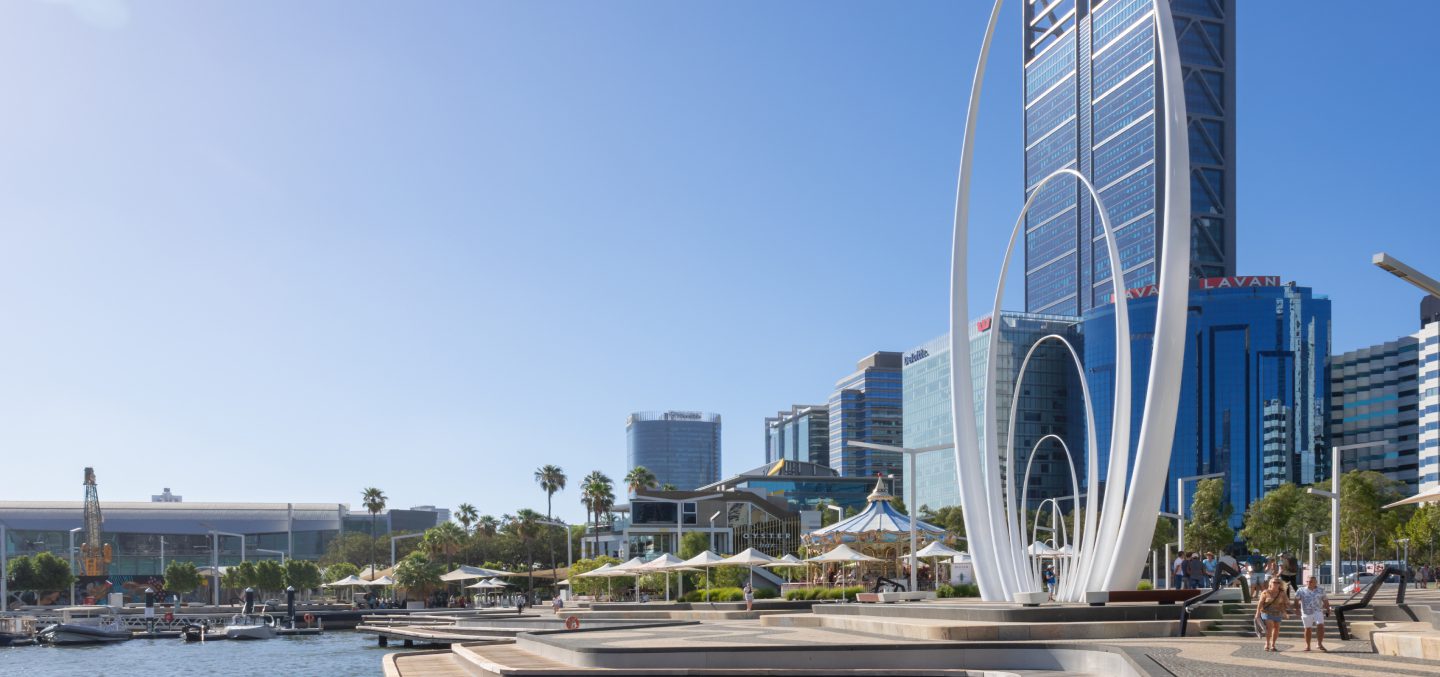
To help paint a picture of how big the issue is, if you wanted to bring together all of the people classified by the ABS as homeless in Western Australia, you would fill over 60 percent of the Perth Arena.
Sadly, nearly half the people experiencing homelessness are under 24 years old with 84 percent of them in temporary housing; couch surfing for up to five months of the year, often spending less than two weeks in each location.
There is a growing trend towards older homelessness. Homelessness Australia expects the number of older people seeking help to increase significantly as the number of people aged 75 and over is expected to increase three fold over the next 20 years. Some of these people may fall between the cracks as they have been housed adequately in rental accommodation but they do not have the deposit to access additional support in aged care facilities and will join waiting lists.
The challenge is how to deliver sufficient housing when the vast majority of new dwellings in this state have to have a buyer prior to construction. That even relates to apartments which need to sell enough properties to cover any financing prior to construction commencing. Of the 24,350 dwellings approved last year, 22,987 were by the private sector. Unfortunately that is not enough to house our growing population.
Direct government funding for housing flows through in many forms but the need is growing faster than the money available. The number of people on the public housing wait list jumped 80 percent between 2003 and 2012 to 22,871. Over the same period the average wait time more than doubled to two and a half years.
Government programs include the National Rental Affordability Scheme, the State Affordable Housing Strategy, and the National Partnership Agreement on Homelessness. UDIA is working with government through the Ministerial Roundtable on Housing Affordability but the challenge is very large.